
Walls
Wall seepage vs dampness: how to tell the difference
Seepage, rising damp and condensation look similar on a wall and need completely different treatments. How to tell them apart before you pay to fix the wrong one.
Mahadev Waterproofing, Thane West
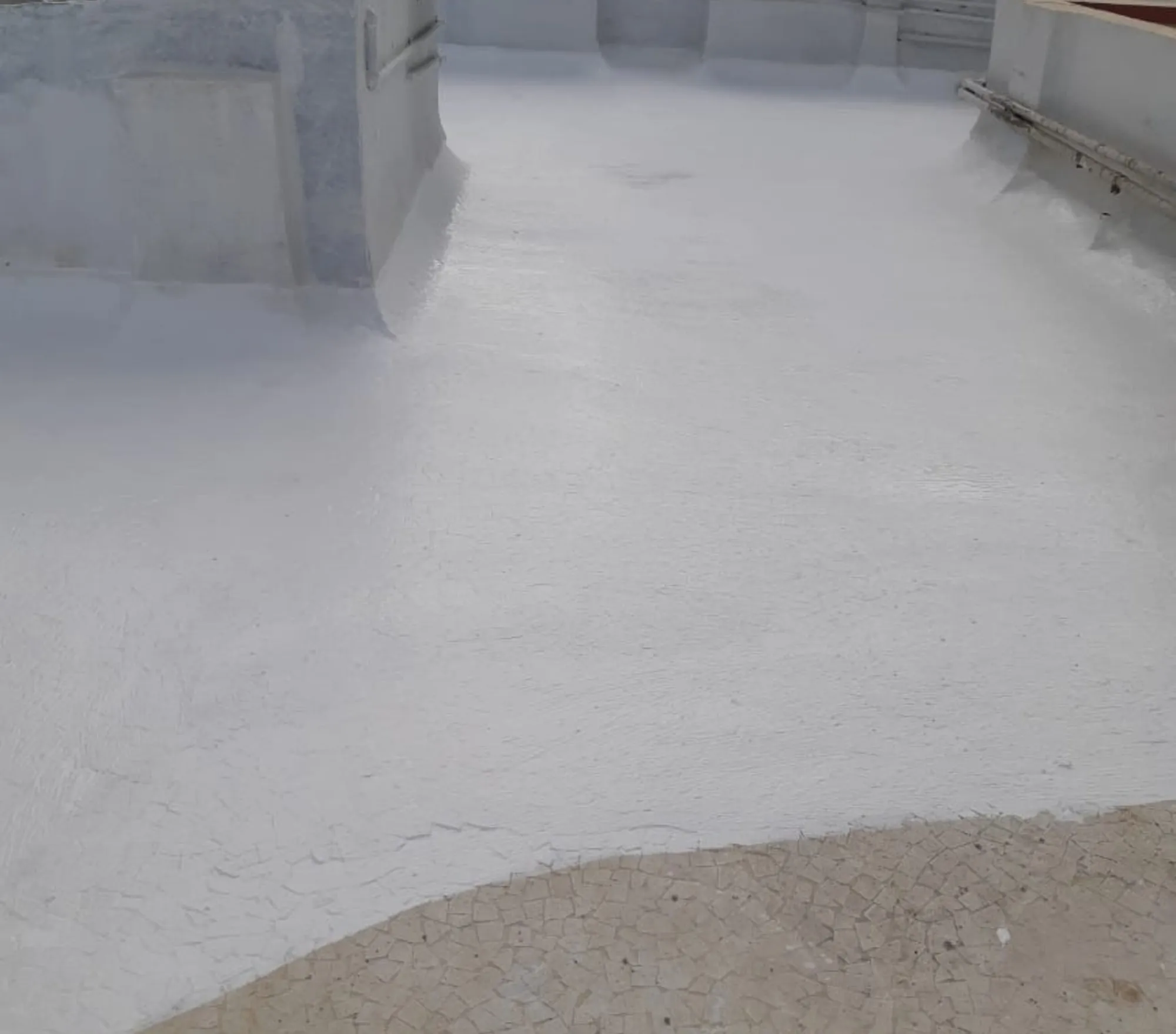
A damp patch on a wall has at least four possible causes, and they need four different treatments. Paying for the wrong one is the most common way people waste money in this trade — usually by painting, which fixes none of them.
Here is how to tell them apart.
Seepage (lateral penetration)
What it looks like: a patch on an internal wall that shares a face with the outside, a bathroom, a terrace, or a neighbour’s wet area. It gets visibly worse during and after rain, and it stays damp long after.
Where it sits: usually mid-wall, and roughly opposite whatever the water source is on the other side.
What causes it: water moving through the masonry from the other face — cracked external plaster, an open window-frame junction, a failed terrace above, a leaking pipe in the wall.
What fixes it: blocking the moisture path. Salt-damaged plaster off, injection grouting into the masonry itself, re-plastering with an integral waterproofing admixture. This is wall seepage treatment, and it is the one that is genuinely a waterproofing job.
Rising damp
What it looks like: a horizontal tide-mark running along the base of a ground-floor wall, usually stopping around a metre up, with white salt deposits at the line.
Where it sits: always low, always at the bottom, more or less level.
What causes it: groundwater drawn up through the wall by capillary action, where there is no damp-proof course or it has been bridged.
What fixes it: a chemical DPC injected at the base, then salt-contaminated plaster removed and replaced with a renovating render. Treating this as seepage — coating higher up the wall — traps the moisture and makes the tide-mark move up.
Condensation
What it looks like: even, widespread dampness rather than a defined patch. Black spot mould, especially in corners, behind furniture and around window reveals. Worst on cold external walls in a room with poor ventilation, and it does not track the rain.
What causes it: warm moist air meeting a cold surface. It is a ventilation and thermal problem, not a water-ingress one.
What fixes it: ventilation, extraction in kitchens and bathrooms, and dealing with the cold spot. Waterproofing this wall will do nothing at all, and any contractor who quotes you for waterproofing on a clear condensation case is selling you something you do not need.
A plumbing leak
What it looks like: a patch that does not care what the weather is doing. Constant, often slowly growing, sometimes warm to the touch if it is a hot line, and frequently near a bathroom, kitchen or riser.
What fixes it: finding the pipe. A thermal camera shows the temperature anomaly along the run, and a moisture meter confirms the extent. Then it is a plumbing repair, followed by drying and making good — not a coating.
The quick test
| Sign | Seepage | Rising damp | Condensation | Pipe leak |
|---|---|---|---|---|
| Worse after rain | Yes | Slightly | No | No |
| Defined edge | Yes | Yes, horizontal | No | Yes |
| Height on wall | Any | Low, level | Anywhere, corners | Any |
| Salt / efflorescence | Often | Almost always | No | Sometimes |
| Mould | Sometimes | Rarely | Typical | Sometimes |
| Constant year-round | No | Yes | Seasonal | Yes |
Why paint never works
Whichever of the four it is, paint is a film on the surface and the water is behind it. Painting a damp wall traps the moisture, and the finish blisters within a season — often faster on an internal wall than an external one, because there is nowhere for it to go.
If you are having the building painted, get the diagnosis and the treatment done first, and let the plaster cure properly. We take a moisture reading and tell you when it is genuinely ready, rather than working to the painter’s diary.
Getting it diagnosed
Our free inspection includes a thermal scan and moisture readings, and you get the diagnosis in writing before any price is discussed — including on the occasions when the answer is “this is condensation, open a window, you don’t need us.”
Free inspections across Thane West, Mulund, Ghatkopar and Andheri. Call +91 99875 06070.